• Published on: Aug 05, 2020
  • 2 minute read
  • By: Dr Rajan Choudhary

Diagnosing Cancers Through A Blood Test

  • WhatsApp share link icon
  • copy & share link icon
  • twitter share link icon
  • facebook share link icon

Diagnosing cancer is difficult.

Cancer is a group of diseases in which healthy cells in our body undergo DNA changes. This affects the cell's programming, and instead of performing its regular functions, it begins to divide. Uncontrollably. This division causes greater and greater growth that uses up valuable resources and nutrition, destroys the healthy organs around it, and ultimately puts the body under so much strain it can cause death.

How do we diagnose cancer? If we are lucky we may notice unusual new symptoms. Unintended weight loss, excessive tiredness, bleeding from unusual places, difficulty breathing. It depends on the type of cancer. For some cancers, we have screening programmes, where we look for signs of cancer in people we know are at higher risk. But most of the time the symptoms are only detected when the cancer is advanced enough to cause damage to the body.

In some cases it can already be too late. Pancreatic cancer is notorious for not showing signs until the cancer is too advanced to operate, leaving patients with just 3-6 months of life expectancy.

If we recognise the symptoms we still need to run scans to see the size of the tumour, where it is, and obtain biopsies. Biopsies are vital in figuring out exactly what type of cancer is present, what medications would work against it and what the patients prognosis may be. Whether its by cutting out parts of the tumour directly, with a needle or with endoscopes, biopsy procedures  are invasive, uncomfortable and sometimes painful.

What if there was a different way? What if you could take a blood sample and find out if a person has cancer? This dream is becoming slowly more and more real.

CIRCULATING TUMOUR DNA

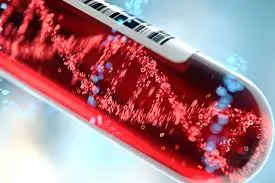
Circulating Tumour DNA (ctDNA) is found in the blood and refers to DNA that comes from cancerous cells and tumours. Normally this is contained within the centre of a cell, in its nucleus. As a tumour grows, some cancerous cells can die and break apart. When this happens the contents of the cell are released into the blood, including pieces of the mutated DNA. Detecting this DNA is helpful for many reasons.

  • It can diagnose a tumour based off the mutations present on the DNA. Different cancers will have different mutations, and matching these up can show whether cancer is present before it starts showing symptoms
  • If we know cancer is present, we can use the DNA to create personalised medical therapy that is specific to one particular cancer in that particular individual. In the future, this could lead to a therapy that does not have as many side effects as chemo and radiotherapy
  • Repeated blood tests during treatment to look at levels of ctDNA could show whether the treatment is working. A decrease in ctDNA levels would correspond to a decrease in tumour size
  • Similarly, a lack of ctDNA would show treatment was successful, and the patient is remission free.

This all seems too good to be true. One blood test and you could know if you have cancer years before your symptoms start forming.

In July 2020 an international team of researchers published a study showing a non-invasive blood test was able to detect whether a person had one of five common types of cancer, up to four years before cancer would otherwise have been detected through our current methods. Stomach, oesophageal, colorectal, lung and liver cancer were the types included in the study.

It had a 91% success rate in patients who were otherwise asymptomatic, and 88% successful in detecting cancer in patients who were known to have cancer. If the test states you don’t have cancer, it was shown to be 95?curate.

This incredible study took over 10 years to conduct with over 120,000 participants who gave blood samples at regular intervals, as well as regular check in with physicians to monitor symptoms. Over 1.6 million specimens were collected and archived for this gargantuan project.

Specialists not involved with the research project have praised it, saying its methods are robust and the test is an essential first step towards commercial cancer screening. Of course, we still have many years and lots more research to do before we can achieve this goal, but the results are exciting nonetheless.
Read Blog

Heart Related Health Issues: Early Warning Signs You Should Not Ignore

Heart related health issues remain one of the leading causes of illness and death worldwide. Despite advancements in medical care, many heart conditions are diagnosed late because early symptoms are subtle, misunderstood or ignored. Understanding early warning signs of heart related health issues is crucial, as timely action can prevent life-threatening events such as heart attacks and strokes.

Public health data consistently shows that most cardiovascular events are preceded by warning signals that appear weeks, months or even years earlier. Recognising these signs allows for early intervention and better long-term outcomes.


What Are Heart Related Health Issues?

Heart related health issues include conditions that affect:

  • the heart muscle
     

  • coronary arteries
     

  • heart valves
     

  • electrical system of the heart
     

Common conditions include coronary artery disease, heart failure, arrhythmias and hypertension-related heart damage.


Why Heart Problems Often Go Unnoticed

Heart disease is often called a “silent killer” because:

  • symptoms develop gradually
     

  • early signs are mild
     

  • discomfort is mistaken for fatigue or indigestion
     

  • people delay medical evaluation
     

Unfortunately, waiting for severe pain or emergencies increases risk.


Early Warning Signs of Heart Related Health Issues

Chest Discomfort

Chest pain or discomfort is the most recognised warning sign, but it does not always feel severe.

It may present as:

  • pressure
     

  • tightness
     

  • heaviness
     

  • burning sensation
     

Chest discomfort may come and go and worsen with exertion.


Breathlessness

Shortness of breath during routine activities or at rest may indicate:

  • reduced heart pumping capacity
     

  • fluid buildup in lungs
     

Breathlessness is often an early sign of heart failure or coronary disease.


Unusual Fatigue

Persistent, unexplained fatigue can signal reduced blood supply to the body.

People may notice:

  • exhaustion after minimal activity
     

  • reduced stamina
     

  • prolonged recovery after exertion
     

Fatigue is frequently overlooked as stress or ageing.


Palpitations or Irregular Heartbeat

Feeling the heart race, flutter or skip beats may indicate rhythm disturbances.

Symptoms include:

  • rapid heartbeat
     

  • pounding sensation
     

  • irregular pulse
     

Some arrhythmias increase stroke risk if untreated.


Dizziness or Lightheadedness

Reduced blood flow to the brain can cause:

  • dizziness
     

  • fainting spells
     

  • imbalance
     

These symptoms may signal heart rhythm or blood pressure issues.


Swelling in Legs or Ankles

Fluid retention in lower limbs suggests:

  • weakened heart function
     

  • poor circulation
     

Swelling often worsens by evening and improves overnight.


Pain in Other Areas

Heart-related pain may radiate to:

  • left arm
     

  • neck
     

  • jaw
     

  • back
     

  • upper abdomen
     

This atypical pain is common and frequently misdiagnosed.


Symptoms That Are More Common in Women

Women may experience:

  • nausea
     

  • jaw pain
     

  • back pain
     

  • extreme fatigue
     

  • shortness of breath without chest pain
     

These non-classic symptoms often delay diagnosis.


Risk Factors for Heart Related Health Issues

Major risk factors include:

  • high blood pressure
     

  • diabetes
     

  • high cholesterol
     

  • smoking
     

  • obesity
     

  • sedentary lifestyle
     

  • chronic stress
     

  • family history
     

Risk increases when multiple factors coexist.


Why Early Detection Is Critical

Early diagnosis:

  • prevents heart attacks
     

  • reduces heart muscle damage
     

  • lowers hospitalisation risk
     

  • improves quality of life
     

Most heart conditions are manageable when detected early.


How Heart Problems Are Diagnosed

Evaluation may involve:

  • blood pressure measurement
     

  • blood tests
     

  • electrocardiogram (ECG)
     

  • imaging studies
     

  • stress testing
     

Tests are chosen based on symptoms and risk profile.


Treatment and Management

Medical Management

Depending on the condition:

  • medications
     

  • lifestyle changes
     

  • monitoring
     

Early treatment slows disease progression.


Lifestyle Modification

Lifestyle plays a major role in heart health:

  • balanced diet
     

  • regular physical activity
     

  • stress management
     

  • adequate sleep
     

  • smoking cessation
     

Lifestyle changes significantly reduce risk.


Preventive Measures for Heart Health

  • regular health checkups
     

  • blood pressure and sugar monitoring
     

  • cholesterol screening
     

  • physical activity
     

  • heart-healthy diet
     

Prevention is the most effective strategy against heart disease.


When to Seek Immediate Medical Help

Seek urgent care if:

  • chest pain is severe or persistent
     

  • breathlessness occurs suddenly
     

  • fainting happens
     

  • pain radiates to arm or jaw
     

Prompt action saves lives.


Long-Term Impact of Ignoring Warning Signs

Ignoring early symptoms may lead to:

  • heart attack
     

  • stroke
     

  • heart failure
     

  • permanent heart damage
     

  • sudden cardiac events
     

Delayed care increases mortality risk.


Conclusion

Heart related health issues rarely appear suddenly without warning. The body often sends early signals such as chest discomfort, fatigue, breathlessness and palpitations long before emergencies occur. Recognising these early warning signs and seeking timely medical evaluation can prevent serious complications and save lives. Heart health requires awareness, proactive care and early action—because when it comes to the heart, ignoring symptoms is a risk no one should take.


References

  • Indian Council of Medical Research (ICMR) – Cardiovascular Disease Report

  •  World Health Organization (WHO) – Cardiovascular Health Guidelines

  • National Heart Institute – Early Signs of Heart Disease

  • Lancet – Global Burden of Cardiovascular Disease Studies

  • Indian Journal of Cardiology – Heart Disease Detection and Preventio

  •  Statista – Heart Disease Trends and Risk Factors

See all

Live Doctor consultation
Live Doctor Chat

Download Our App & Get Consultation from anywhere.

App Download
call icon for mobile number calling and whatsapp at secondmedic