- Published on: Sep 15, 2021
- 5 minute read
- By: Dr Rakesh Rai
Everything About Liver Function Tests- Purpose & Significance




Everything About Liver Function Tests- Purpose & Significance
Liver function tests are medical laboratory tests that measure the number of various substances in the blood that are released into your blood by liver cells or made by your liver. These substances are often called "liver enzymes" because they are enzymes that are produced exclusively by the liver to help regulate metabolism for processing chemicals, nutrients, and drugs.
A high level of any one of these may suggest an abnormal situation involving your liver. The most common symptoms associated with a problem involving your liver include nausea, vomiting, yellowing skin color (jaundice), fever, and abdominal discomfort such as pain on gentle pressing around about halfway down on the right side of the abdomen.
A liver function test is a blood test that evaluates an individual's liver function or sees if there may be a problem in this organ. Liver functions including leukocyte count, alkaline phosphatase, ALT/AST enzymes, and bilirubin levels are measured with results interpreted by physicians who then advise treatment options to relieve pain or reduce the risk of liver disease. If the level of these agents is elevated then the physician will typically recommend further diagnostics such as antibody testing for hepatitis B and C infections, ultrasounds, and biopsies.
Liver function tests are a series of blood tests used to evaluate liver function. Tests may include the following:
- Inclusion of serum albumin or total proteins as variables in the SMA12 test
- Albumin fractional catabolic rate (ACR) and erythrocyte sedimentation rate (ESR) measurements, which can be used as a surrogate marker for changes in hepatocellular activity
- Visible change is indicative that hepatocytes have been damaged or destroyed, an indicator that liver disease is present.
- Fractional synthetic rate of albumin synthesis calculated from measurements of serum creatinine and urinary urea nitrogen providing information about hepatocyte intracellular mass status with decreased album
The most common of these are aminotransferases ALT and AST. These enzymes are released into the bloodstream in excessive amounts by the cells that line the bile ducts that carry bile from the liver - where it gets made - to where it gets used up in digestion ??i.e., all over your body, not just in your liver but also near your kidneys) when there's any sort of problem with those cells or with damage done to them because of some other hurtful event.
In the context of a medical lab test, a liver function test is anyone that has to do with the liver. Serum bilirubin, alanine aminotransferase (ALT), aspartate aminotransferase (AST), and alkaline phosphatase are common ones. A veterinarian could use ultrasound as well as biochemistry analysis. These tests show how well your liver is performing its duty to remove toxins from your body and to make bile for those toxins. Liver function tests are conducted to assess the liver's ability to convert inactive substances in your blood to active ones.
Alanine aminotransferase (ALT/SGPT): tests what process - amino acid, carbohydrate, or fat - your liver is having trouble breaking down to store sugar for later use indigestion. This test will only show what type of enzyme the liver has difficulty processing at this time, so if this is normal but an alkaline phosphatase test comes back abnormal, this means there may be a different illness affecting the liver.
The test can measure certain chemicals that are released because of metabolism and excreted from the body in urine, such as albumin.
The most common indicators measured by blood-based liver function tests include GGT, ALP, total bilirubin / conjugated/unconjugated bilirubin, ALT and ASAT.
A group of enzymes found in healthy livers called GOT (gamma-glutamyl transpeptidase) and GPT (gamma-glutamyltransferase) can also be measured to determine damage to liver cells.
Liver Function Tests (LFTs) are a group of tests that measure the levels and function of various substances in the blood leave before digestion and within the liver. These include enzymes and proteins made by the liver; cholesterol, copper, iron, calcium, sodium, potassium; bilirubin level; albumin levels. The LFTs can be used to help diagnose many diseases such as viral hepatitis or alcoholic liver disease.
A history would normally prompt additional testing such as abdominal imaging for gallstones or metabolic abnormalities like cirrhosis caused by alcohol consumption. Kidney function should be tested because high-protein diets may cause kidney problems too. A genetic test might be warranted if there is a family history of inheritance. Liver function tests are a group of blood tests that doctors might use to evaluate the liver's ability to gather and store glycogen (sugar) and protein, produce bile, filter the blood, and produce cholesterol.
Drugs can accumulate in liver cells, leading to changes in levels of enzymes. Enzymes that are elevated may indicate an inflammatory or viral process as well as the use of certain medications such as steroids which need some time to clear from the body after discontinuation. The test isn't specific for any disease but can show if there is a liver problem even before symptoms occur, including cirrhosis and early hepatitis B and C infections. When first conducted, rapid elevations or decreases might be indications of acute injury or pre-clinically chronic injury respectively.
The liver may be the body's most important gland. It synthesizes nutrients from fat, carbohydrates, and protein into a form that can be absorbed by the blood to supply the cells, brain, and other tissues with a continuous supply of fuel. The liver also acts as a storage center for high-density energy reserves in times of food shortage or famine.
In response to viruses or bacteria which enter from our gut through their ingestion of contaminated water or insects’ excretions for example), substances called antibodies are manufactured in great numbers by specialized cells in an inflammatory reaction known as acute hepatitis. LFT helps measure the liver's endurance, by testing erythrocyte count, serum albumin level, bilirubin level and prothrombin time.
It's normal for your erythrocyte count to drop over time as you age. This is due mainly to the production of fewer red blood cells in your bone marrow. It may provide an indication of what is happening inside the liver with regard to the regeneration of new cells. An elevated or persistently high level can indicate cirrhosis or cancer. If it's persistently high, then requires radiologic imaging for diagnosis.
The liver function tests are blood tests that tell the physician how well the liver is working. The enzymes GGT, ALT, AST, and ALP are primarily tested to examine what should be healthy activities through three phases of hepatic metabolism. Since these enzymes exist primarily in the liver, they do not normally show up in any other tissue or fluid other than the bloodstream. If there is a disease that affects the cells within the liver, then inflammatory processes will ensue. This will lead to excessive production of oxygen-free radicals to facilitate cell death and release toxins into circulation which can affect all body systems including altering enzyme quantities, so they bump up against their normal reference ranges for evaluation.
The purpose of liver function tests is to diagnose and monitor a person's condition, based on levels of certain enzymes in the blood.
A high level of transaminases might be due to a variety of diseases or conditions, including hepatitis, cirrhosis, biliary obstruction from gallstones, or pancreatitis. Liver disease disrupting the production and release of albumin will also produce abnormally low-level albumin which can be detected with this test. A qualitative determination can be made if large amounts of Clotting Factor VIII are released into the bloodstream - Hepaetous Patina (HP) - leading to severe bleeding episodes independent from coagulation defects where plasma clotting normally should take place.
Liver function tests measure the level of different substances produced or used by the liver, such as albumin. The liver conditions may include fatty liver (hepatic steatosis), alcoholic hepatitis, cirrhosis, and many disorders affecting other parts of the body which ultimately damage the working capacity of your liver. Liver function tests are not meant to detect acute hepatitis or mild cases of elevated enzyme levels that commonly resolve on their own. Normal results suggest that there is no abnormality with your kidneys. Abnormal livers often show high amounts of creatinine kinase (CK) and alanine aminotransferase (ALT).
The liver is the body's only organ able to break down toxic compounds, so its function must be checked. The example you gave -- SGPT, or aspartate aminotransferase -- measures the level of a major liver enzyme. High levels could indicate damage from drugs also used for weight loss, such as acetaminophen/paracetamol (Tylenol) or metformin (Glucophage). Too-low levels of hepatocyte enzymes mean that the liver's not functioning properly and may develop complications like hepatitis and cirrhosis.


Switch Soda with Detox Water: A Simple Step Toward Better Metabolic Health
Soda and sugary beverages have become a major contributor to India’s rising burden of metabolic diseases. According to NFHS-5 and ICMR data, high intake of sugary drinks significantly increases the risk of obesity, high blood sugar, fatty liver disease and heart problems. Replacing these drinks with detox water is one of the easiest and most sustainable lifestyle changes for preventive health.
Detox water is not a medical treatment-it is a healthy hydration alternative that supports the body’s natural processes. SecondMedic encourages simple, evidence-based swaps like this to help individuals improve daily habits without drastic diets.
Why Soda Is a Major Health Concern in India
1. Extremely high sugar content
A single can of soda contains:
-
8-10 teaspoons of sugar
-
Over 140 empty calories
This spikes glucose levels and increases insulin resistance.
2. Artificial additives
Flavours, colours and preservatives strain the liver and may worsen inflammation.
3. Link to chronic diseases
ICMR and Lancet studies show soda consumption increases risk of:
-
Type 2 diabetes
-
Hypertension
-
Weight gain
-
Non-alcoholic fatty liver disease (NAFLD)
4. Poor hydration
Soda does not hydrate the body. Caffeine and sugar can actually increase dehydration.
Benefits of Switching to Detox Water
Detox water provides hydration and additional wellness support through natural ingredients.
• Improved metabolism
Ingredients like lemon, ginger and cinnamon support metabolic balance.
• Better digestion
Mint and ginger soothe the digestive system.
• Stable blood sugar
Sugar-free detox blends prevent rapid glucose spikes.
• Enhanced hydration
Water absorption improves when infused with electrolytes and antioxidants.
• Reduced cravings
Replacing soda breaks dependence on sugar.
• Skin health improvement
Hydration + antioxidants help reduce dullness and inflammation.
Popular Detox Water Ingredients and Their Benefits
Lemon
Rich in vitamin C and antioxidants, helps improve digestion and immunity.
Mint
Reduces bloating and supports gut comfort.
Cucumber
Hydrates deeply and reduces water retention.
Cinnamon
Known for supporting stable blood sugar.
Ginger
Anti-inflammatory and excellent for digestion.
Apple slices
Add natural sweetness without added sugar.
Berries
High in antioxidants; good for heart health.
Easy Detox Water Recipes
1. Lemon + Ginger Detox
Supports metabolic health and digestion.
2. Cucumber + Mint Hydration Blend
Great for daily hydration and cooling.
3. Apple + Cinnamon Water
Helps stabilise glucose naturally.
4. Mixed Berry Infused Water
Boosts antioxidant levels for skin and heart health.
5. Turmeric + Lemon Detox
Mild anti-inflammatory properties.
How Detox Water Helps Reduce Soda Dependence
1. Replaces sweetness gradually
Natural fruit flavours reduce the urge for sugary beverages.
2. Keeps you full
Hydration decreases cravings, especially in the evening.
3. Offers variety
Different combinations keep the habit interesting.
4. Improves energy
Consistent hydration reduces fatigue and brain fog.
The Science Behind Hydration and Metabolic Health
According to WHO and NITI Aayog health reports:
-
Hydration improves nutrient transport
-
Helps maintain blood pressure
-
Aids liver detoxification
-
Supports kidney function
Soda disrupts these processes, while detox water supports them.
How SecondMedic Helps You Transition from Soda to Healthy Hydration
• AI Health Guide
Identifies sugar consumption patterns and suggests healthier beverage alternatives.
• Dietitian support
Provides personalised hydration plans for metabolic health.
• Preventive care tracking
Monitors progress for weight, energy and blood sugar.
• Health education
SecondMedic guides families, teenagers and adults on sustainable lifestyle swaps.
Tips to Make the Switch Successfully
1. Start gradually
Replace one soda per day with detox water.
2. Add natural flavour
Use citrus or herbs to enhance taste.
3. Keep it accessible
Carry a bottle to avoid impulse soda purchases.
4. Choose chilled detox water
Cold drinks create a similar refreshing experience.
5. Track your progress
Energy and digestion improve noticeably within 2-3 weeks.
Conclusion
Switching soda with detox water is a small step with big preventive health benefits. It reduces sugar intake, supports metabolic wellness, improves hydration and strengthens long-term health. With personalized recommendations from SecondMedic, this transition becomes easy, enjoyable and effective.
References
• ICMR - Sugar Consumption & Metabolic Health Report
• NFHS-5 - Obesity, Diet and Lifestyle Indicators
• NITI Aayog - Preventive Health & Hydration Behaviour Study
• WHO - Health Effects of Sugary Drinks
• Lancet - Soda Consumption & Disease Burden India
• Statista - Beverage Consumption Trends in India
• EY-FICCI - Lifestyle Behaviour & Preventive Health Report
Our Services
Request A Callback
Recent Posts



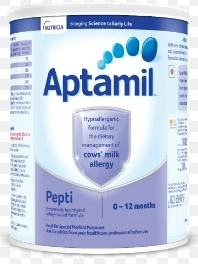
Aptamil Pepti Infant Formula 0 to 12 Months Tin 400gm
Brand: Nutricia International Private Limited
₹2000.00₹1960.00
View Details

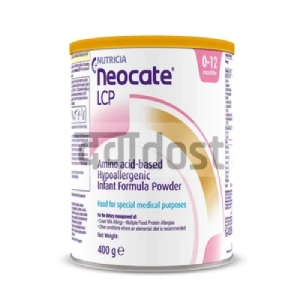
Neocate LCP Infant Formula Powder 400GM
Brand: Nutricia International Private Limited
₹3300.00₹3234.00
View Details
Web Stories


Popular Lab Test






Live Doctor consultation
Live Doctor Chat

Fees ₹99
General Physician
Fees ₹99
General Physician
Fees ₹99
General Physician

Dr. Syed Mukhtar Mohiuddin
MBBS, MD , Fellowship in Diabetes Mellitus (UK)
- 7 Years
- English
Available at 00:00 to 07:00
Fees ₹99
General Physician
Fees ₹99
General Physician
Download Our App & Get Consultation from anywhere.