- Published on: Mar 17, 2022
- 3 minute read
- By: Second Medic Expert
Pancreatitis: Symptoms, Causes, Diagnosis & Treatment




Pancreatitis is a condition that occurs when the pancreas becomes inflamed. The pancreas is a gland located behind the stomach that produces enzymes that help with digestion. Pancreatitis can be acute, meaning it comes on suddenly and lasts for a short time, or chronic, meaning it develops slowly and can last for months or even years.
Symptoms of pancreatitis include abdominal pain, nausea, and vomiting. In severe cases, pancreatitis can lead to life-threatening complications such as bleeding, organ failure, and shock. Pancreatitis is typically caused by gallstones or alcohol abuse. Other possible causes include certain medications, infections, and autoimmune conditions.
Pancreatitis can be a serious and potentially life-threatening condition. Symptoms of pancreatitis include abdominal pain, nausea, vomiting, and weight loss. Causes of pancreatitis include alcohol abuse, gallstones, and certain medications. Treatment for pancreatitis may involve hospitalization, pain relief, and rest. Pancreatitis can be diagnosed through blood tests, imaging tests, or endoscopic ultrasounds. The pancreas is a small organ located behind the stomach that produces enzymes that help with digestion. Pancreatitis can either be acute, meaning it comes on suddenly and lasts for a short time, or chronic, meaning it develops over time and can last for months or even years. Symptoms of pancreatitis include abdominal pain, nausea, vomiting, fever, and weight loss. If left untreated, pancreatitis can lead to serious complications including death. Treatment for pancreatitis typically involves hospitalization so that the patient can be closely monitored and given intravenous fluids and pain medication.
Pancreatitis is an inflammation of the pancreas. The pancreas is a small organ located behind the stomach that helps the body digest food. Pancreatitis can be acute, meaning it comes on suddenly and lasts for a short time, or chronic, meaning it develops over time and can last for months or years.
Symptoms of pancreatitis include upper abdominal pain that radiates to the back, nausea and vomiting, weight loss, and fever. In some cases, pancreatitis can also lead to life-threatening complications such as bleeding in the digestive tract or kidney failure. Acute pancreatitis is often caused by gallstones or heavy alcohol use. Pancreatitis is an inflammation of the pancreas. The pancreas is a large gland behind the stomach that produces enzymes that help digestion. It also produces hormones, such as insulin, that regulate blood sugar levels. Pancreatitis can be acute or chronic. Acute pancreatitis comes on suddenly and lasts for a short time. Chronic pancreatitis is a long-term condition. In either case, pancreatitis can be very serious and even life-threatening.
Symptoms of pancreatitis include:
• abdominal pain that radiates to your back
• pain that gets worse after eating or drinking
• nausea and vomiting
• fever
• rapid heartbeat
• diarrhea
The pancreas is a large gland located behind the stomach that produces enzymes that help with digestion. When the pancreas becomes inflamed, these enzymes begin to attack the organ itself, leading to pain, swelling, and damage. Pancreatitis can be acute or chronic. Acute pancreatitis comes on suddenly and usually goes away within a few days. Chronic pancreatitis is a long-term condition that can lead to serious complications if left untreated.
The most common symptom of pancreatitis is abdominal pain. This pain may be severe and radiate. Pancreatitis is a disease in which the pancreas becomes inflamed. The pancreas is a gland that sits behind the stomach and produces enzymes that help with digestion. Pancreatitis can be acute, meaning it comes on suddenly and lasts for a short time, or chronic, meaning it persists over time.
Acute pancreatitis usually starts with pain in the upper abdomen that radiates to the back. Other symptoms may include nausea and vomiting, fever, rapid heartbeat, and abnormal blood pressure. Chronic pancreatitis often leads to weight loss, jaundice (yellowing of the skin), diabetes, and digestive problems.
Symptoms of pancreatitis include pain in the upper abdomen that may spread to the back, nausea and vomiting, fever, rapid heartbeat, and weight loss. In severe cases, pancreatitis can lead to bleeding into the gland, tissue death (necrosis), infection, cysts, diabetes mellitus, and pancreatic cancer.
Pancreatitis is a serious condition that can cause severe abdominal pain, nausea, and vomiting. It occurs when the pancreas becomes inflamed. The most common cause of pancreatitis is gallstones. Other causes include alcohol abuse, certain medications, and certain medical conditions. Pancreatitis can be acute or chronic. Acute pancreatitis usually resolves on its own with no lasting effects. However, chronic pancreatitis can lead to serious complications such as diabetes and Pancreatic Cancer. Treatment for pancreatitis typically involves pain relief and rest. In severe cases, hospitalization may be necessary. If you think you may have pancreatitis, it is important to see a doctor right away for an accurate diagnosis and treatment plan.
The main symptom of pancreatitis is abdominal pain. Other symptoms may include nausea, vomiting, and fever. Pancreatitis can be acute or chronic. Acute pancreatitis is a sudden inflammation of the pancreas that typically lasts for a week or two. Chronic pancreatitis is long-term inflammation of the pancreas that can lead to damage of the organ over time. Treatment for pancreatitis typically involves hospitalization and rest. In severe cases, surgery may be necessary to remove part of the pancreas.


Switch Soda with Detox Water: A Simple Step Toward Better Metabolic Health
Soda and sugary beverages have become a major contributor to India’s rising burden of metabolic diseases. According to NFHS-5 and ICMR data, high intake of sugary drinks significantly increases the risk of obesity, high blood sugar, fatty liver disease and heart problems. Replacing these drinks with detox water is one of the easiest and most sustainable lifestyle changes for preventive health.
Detox water is not a medical treatment-it is a healthy hydration alternative that supports the body’s natural processes. SecondMedic encourages simple, evidence-based swaps like this to help individuals improve daily habits without drastic diets.
Why Soda Is a Major Health Concern in India
1. Extremely high sugar content
A single can of soda contains:
-
8-10 teaspoons of sugar
-
Over 140 empty calories
This spikes glucose levels and increases insulin resistance.
2. Artificial additives
Flavours, colours and preservatives strain the liver and may worsen inflammation.
3. Link to chronic diseases
ICMR and Lancet studies show soda consumption increases risk of:
-
Type 2 diabetes
-
Hypertension
-
Weight gain
-
Non-alcoholic fatty liver disease (NAFLD)
4. Poor hydration
Soda does not hydrate the body. Caffeine and sugar can actually increase dehydration.
Benefits of Switching to Detox Water
Detox water provides hydration and additional wellness support through natural ingredients.
• Improved metabolism
Ingredients like lemon, ginger and cinnamon support metabolic balance.
• Better digestion
Mint and ginger soothe the digestive system.
• Stable blood sugar
Sugar-free detox blends prevent rapid glucose spikes.
• Enhanced hydration
Water absorption improves when infused with electrolytes and antioxidants.
• Reduced cravings
Replacing soda breaks dependence on sugar.
• Skin health improvement
Hydration + antioxidants help reduce dullness and inflammation.
Popular Detox Water Ingredients and Their Benefits
Lemon
Rich in vitamin C and antioxidants, helps improve digestion and immunity.
Mint
Reduces bloating and supports gut comfort.
Cucumber
Hydrates deeply and reduces water retention.
Cinnamon
Known for supporting stable blood sugar.
Ginger
Anti-inflammatory and excellent for digestion.
Apple slices
Add natural sweetness without added sugar.
Berries
High in antioxidants; good for heart health.
Easy Detox Water Recipes
1. Lemon + Ginger Detox
Supports metabolic health and digestion.
2. Cucumber + Mint Hydration Blend
Great for daily hydration and cooling.
3. Apple + Cinnamon Water
Helps stabilise glucose naturally.
4. Mixed Berry Infused Water
Boosts antioxidant levels for skin and heart health.
5. Turmeric + Lemon Detox
Mild anti-inflammatory properties.
How Detox Water Helps Reduce Soda Dependence
1. Replaces sweetness gradually
Natural fruit flavours reduce the urge for sugary beverages.
2. Keeps you full
Hydration decreases cravings, especially in the evening.
3. Offers variety
Different combinations keep the habit interesting.
4. Improves energy
Consistent hydration reduces fatigue and brain fog.
The Science Behind Hydration and Metabolic Health
According to WHO and NITI Aayog health reports:
-
Hydration improves nutrient transport
-
Helps maintain blood pressure
-
Aids liver detoxification
-
Supports kidney function
Soda disrupts these processes, while detox water supports them.
How SecondMedic Helps You Transition from Soda to Healthy Hydration
• AI Health Guide
Identifies sugar consumption patterns and suggests healthier beverage alternatives.
• Dietitian support
Provides personalised hydration plans for metabolic health.
• Preventive care tracking
Monitors progress for weight, energy and blood sugar.
• Health education
SecondMedic guides families, teenagers and adults on sustainable lifestyle swaps.
Tips to Make the Switch Successfully
1. Start gradually
Replace one soda per day with detox water.
2. Add natural flavour
Use citrus or herbs to enhance taste.
3. Keep it accessible
Carry a bottle to avoid impulse soda purchases.
4. Choose chilled detox water
Cold drinks create a similar refreshing experience.
5. Track your progress
Energy and digestion improve noticeably within 2-3 weeks.
Conclusion
Switching soda with detox water is a small step with big preventive health benefits. It reduces sugar intake, supports metabolic wellness, improves hydration and strengthens long-term health. With personalized recommendations from SecondMedic, this transition becomes easy, enjoyable and effective.
References
• ICMR - Sugar Consumption & Metabolic Health Report
• NFHS-5 - Obesity, Diet and Lifestyle Indicators
• NITI Aayog - Preventive Health & Hydration Behaviour Study
• WHO - Health Effects of Sugary Drinks
• Lancet - Soda Consumption & Disease Burden India
• Statista - Beverage Consumption Trends in India
• EY-FICCI - Lifestyle Behaviour & Preventive Health Report
Our Services
Request A Callback
Recent Posts



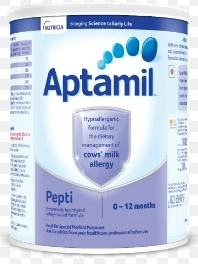
Aptamil Pepti Infant Formula 0 to 12 Months Tin 400gm
Brand: Nutricia International Private Limited
₹2000.00₹1960.00
View Details

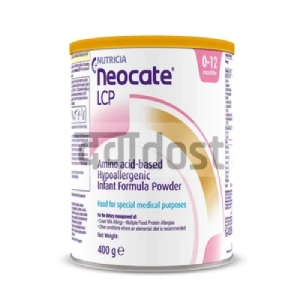
Neocate LCP Infant Formula Powder 400GM
Brand: Nutricia International Private Limited
₹3300.00₹3234.00
View Details
Web Stories


Popular Lab Test






Live Doctor consultation
Live Doctor Chat

Fees ₹99
General Physician
Fees ₹99
General Physician
Fees ₹99
General Physician

Dr. Syed Mukhtar Mohiuddin
MBBS, MD , Fellowship in Diabetes Mellitus (UK)
- 7 Years
- English
Available at 00:00 to 07:00
Fees ₹99
General Physician
Fees ₹99
General Physician
Download Our App & Get Consultation from anywhere.