- Published on: Oct 31, 2023
- 4 minute read
- By: Secondmedic Expert
Understanding Contagiousness: When Are You Most Likely To Spread Illness?




Have you ever wondered about the invisible forces that determine how contagious an illness can be? Whether it's a common cold, the flu, or a more severe infectious disease, understanding how illnesses spread is essential for preventing their transmission. In this comprehensive guide, we will delve into the fascinating world of disease transmission, explore how various illnesses are transmitted, and provide you with valuable tips for reducing the risk of spreading infections. We will also discuss the duration of contagion for common illnesses and explore the significance of infectious disease prevention and control. So, let's embark on this journey to uncover the secrets behind the spread of illness and how you can protect yourself and those around you.
Understanding Disease Transmission
The concept of disease transmission is pivotal in the field of public health and medicine. It refers to how infectious agents, such as bacteria, viruses, and other pathogens, are passed from one individual to another. Understanding disease transmission is the first step in preventing the further spread of illnesses and ultimately saving lives. Let's explore the various modes of transmission for common illnesses.
How Various Illnesses Are Transmitted
1. Airborne Transmission: Some diseases are transmitted through the air, making them highly contagious. Respiratory infections like the common cold, influenza, and tuberculosis are examples of illnesses that spread through respiratory droplets expelled when an infected person coughs or sneezes.
2. Direct Contact: Skin-to-skin contact or contact with bodily fluids can transmit diseases like HIV, hepatitis B, and skin infections. It is crucial to practice safe hygiene and take precautionary measures to reduce the risk of transmission.
3. Indirect Contact: This mode of transmission occurs when a person touches a contaminated surface or object and then touches their face, mouth, or eyes. Common cold viruses and gastrointestinal infections are often transmitted this way.
4. Vector-Borne Transmission: Certain diseases, such as malaria, dengue fever, and Lyme disease, are transmitted through the bites of infected insects or arachnids. Understanding the geographical regions where these vectors are prevalent is essential for prevention.
5. Fecal-Oral Transmission: Diseases like cholera and rotavirus are transmitted when a person ingests contaminated food or water. Proper sanitation and hygiene practices are vital in preventing these infections.
Tips for Reducing the Risk of Spreading Infections
Preventing the spread of contagious illnesses is a collective responsibility. By following these practical tips, you can reduce the risk of spreading infections:
1. Practice Good Hand Hygiene: Regular hand washing with soap and water for at least 20 seconds can prevent the transfer of pathogens from your hands to your face or to others.
2. Cover Your Mouth and Nose: Always cover your mouth and nose when coughing or sneezing. Use a tissue or the inside of your elbow to prevent respiratory droplets from becoming airborne.
3. Stay Home When Sick: If you're feeling unwell, it's important to stay home to avoid infecting others. Rest, hydrate, and seek medical advice if necessary.
4. Get Vaccinated: Vaccinations are one of the most effective ways to prevent the spread of many contagious diseases, such as the flu and COVID-19. Consult with a healthcare professional for the latest vaccine recommendations.
5. Maintain Social Distancing: In situations where contagious diseases are prevalent, maintaining physical distance from others can help reduce the risk of transmission.
6. Keep Surfaces Clean: Regularly disinfect commonly touched surfaces and objects, such as doorknobs, light switches, and cell phones.
7. Wear Masks: When recommended by health authorities, wearing masks can provide an additional barrier against respiratory droplets.
Duration of Contagion for Common Illnesses
The duration of contagion varies from one illness to another. Understanding how long you are contagious is crucial for preventing the spread of the disease to others. Here are some examples:
1. Common Cold: You can be contagious with a common cold for up to two weeks, making it essential to practice good hygiene and limit contact with others during this time.
2. Influenza (Flu): Influenza is contagious for about one day before symptoms appear and up to seven days after becoming sick. It can be longer for children and individuals with weakened immune systems.
3. COVID-19: The contagious period for COVID-19 can range from a few days before symptoms to up to 10 days after symptom onset. However, some individuals may remain contagious for a longer duration.
4. Gastrointestinal Infections: Illnesses like rhinovirus and rota virus can remain contagious for days to weeks, even after symptoms have resolved. Proper hand washing and sanitation are critical.
5. Chickenpox: Contagion lasts from one to two days before the rash appears until all the blisters have crusted over, which can take about a week.
Understanding the duration of contagion for specific illnesses is vital for implementing appropriate isolation and prevention measures.
The Significance of Infectious Disease Prevention and Control
Infectious disease prevention and control are fundamental aspects of public health. They encompass a range of strategies aimed at reducing the occurrence and transmission of infectious diseases within communities. Some key components of disease prevention and control include:
1. Vaccination Programs: Immunization is a cornerstone of disease prevention. National and global vaccination programs have significantly reduced the prevalence of many infectious diseases.
2. Surveillance and Early Detection: Monitoring the spread of infectious diseases allows for early detection and prompt response, helping to contain outbreaks.
3. Quarantine and Isolation: Isolating infected individuals and quarantining those exposed to the disease are essential measures to prevent further transmission.
4. Health Education: Educating the public about hygiene practices, vaccination, and disease transmission is crucial for preventing the spread of illnesses.
5. Antibiotic Stewardship: Responsible use of antibiotics is vital in preventing antibiotic resistance, which can lead to treatment failures in infectious diseases.
6. Research and Development: Ongoing research into infectious diseases, diagnostics, and treatments is essential for staying ahead of emerging threats.
Online Doctor Consultation: A Convenient Option
In today's digital age, access to healthcare information and professionals is easier than ever. Online doctor consultation services have become a convenient option for individuals seeking medical advice without leaving their homes. With a few clicks, you can connect with healthcare experts to discuss your symptoms, get guidance on disease prevention, and receive recommendations for managing contagious illnesses.
Doctor Consultation: Your Path to Better Health
In the face of infectious diseases, consulting with a doctor is paramount. Whether it's through traditional in-person visits or online consultations, healthcare professionals can provide valuable insights, diagnose illnesses, and offer guidance on treatment and prevention. When in doubt about your health or the health of your loved ones, reaching out to a doctor can make a significant difference in managing and containing the spread of infectious diseases.
Read FAQs
A. The timing of when an individual is most contagious can vary depending on the specific infectious disease. In many cases, a person is most contagious shortly before or during the initial onset of symptoms. For example, with the common cold and the flu, you can be most contagious within the first few days of becoming sick. However, it's important to note that some infections, like COVID-19, may be transmitted by individuals who are asymptomatic or presymptomatic, making the timing of contagiousness more complex.
A. The most common way contagious infections spread is through respiratory droplets. When an infected person coughs, sneezes, talks, or even breathes, tiny respiratory droplets containing the infectious agent (such as a virus or bacteria) can be released into the air. These droplets can be inhaled by individuals in close proximity to the infected person, leading to the transmission of the disease. This is why respiratory hygiene, such as covering your mouth and nose when coughing or sneezing, is crucial in preventing the spread of many contagious infections.
A. Contagious diseases can be spread through various modes of transmission, depending on the specific disease. Some of the common modes of transmission include: Airborne Transmission: Respiratory droplets containing infectious agents are expelled when an infected person coughs, sneezes, or talks. These droplets can be inhaled by others in close proximity. Direct Contact: Contact with an infected person's skin or bodily fluids, such as blood or saliva, can transmit diseases. Indirect Contact: Touching contaminated surfaces or objects and then touching your face can lead to the transmission of diseases. Vector-Borne Transmission: Diseases like malaria or Lyme disease are transmitted through the bites of infected insects or arachnids. Fecal-Oral Transmission: Ingesting food or water contaminated with fecal matter can lead to diseases like cholera. The mode of transmission for each disease is unique, and understanding how a particular disease is spread is essential for implementing effective prevention and control measures.


Switch Soda with Detox Water: A Simple Step Toward Better Metabolic Health
Soda and sugary beverages have become a major contributor to India’s rising burden of metabolic diseases. According to NFHS-5 and ICMR data, high intake of sugary drinks significantly increases the risk of obesity, high blood sugar, fatty liver disease and heart problems. Replacing these drinks with detox water is one of the easiest and most sustainable lifestyle changes for preventive health.
Detox water is not a medical treatment-it is a healthy hydration alternative that supports the body’s natural processes. SecondMedic encourages simple, evidence-based swaps like this to help individuals improve daily habits without drastic diets.
Why Soda Is a Major Health Concern in India
1. Extremely high sugar content
A single can of soda contains:
-
8-10 teaspoons of sugar
-
Over 140 empty calories
This spikes glucose levels and increases insulin resistance.
2. Artificial additives
Flavours, colours and preservatives strain the liver and may worsen inflammation.
3. Link to chronic diseases
ICMR and Lancet studies show soda consumption increases risk of:
-
Type 2 diabetes
-
Hypertension
-
Weight gain
-
Non-alcoholic fatty liver disease (NAFLD)
4. Poor hydration
Soda does not hydrate the body. Caffeine and sugar can actually increase dehydration.
Benefits of Switching to Detox Water
Detox water provides hydration and additional wellness support through natural ingredients.
• Improved metabolism
Ingredients like lemon, ginger and cinnamon support metabolic balance.
• Better digestion
Mint and ginger soothe the digestive system.
• Stable blood sugar
Sugar-free detox blends prevent rapid glucose spikes.
• Enhanced hydration
Water absorption improves when infused with electrolytes and antioxidants.
• Reduced cravings
Replacing soda breaks dependence on sugar.
• Skin health improvement
Hydration + antioxidants help reduce dullness and inflammation.
Popular Detox Water Ingredients and Their Benefits
Lemon
Rich in vitamin C and antioxidants, helps improve digestion and immunity.
Mint
Reduces bloating and supports gut comfort.
Cucumber
Hydrates deeply and reduces water retention.
Cinnamon
Known for supporting stable blood sugar.
Ginger
Anti-inflammatory and excellent for digestion.
Apple slices
Add natural sweetness without added sugar.
Berries
High in antioxidants; good for heart health.
Easy Detox Water Recipes
1. Lemon + Ginger Detox
Supports metabolic health and digestion.
2. Cucumber + Mint Hydration Blend
Great for daily hydration and cooling.
3. Apple + Cinnamon Water
Helps stabilise glucose naturally.
4. Mixed Berry Infused Water
Boosts antioxidant levels for skin and heart health.
5. Turmeric + Lemon Detox
Mild anti-inflammatory properties.
How Detox Water Helps Reduce Soda Dependence
1. Replaces sweetness gradually
Natural fruit flavours reduce the urge for sugary beverages.
2. Keeps you full
Hydration decreases cravings, especially in the evening.
3. Offers variety
Different combinations keep the habit interesting.
4. Improves energy
Consistent hydration reduces fatigue and brain fog.
The Science Behind Hydration and Metabolic Health
According to WHO and NITI Aayog health reports:
-
Hydration improves nutrient transport
-
Helps maintain blood pressure
-
Aids liver detoxification
-
Supports kidney function
Soda disrupts these processes, while detox water supports them.
How SecondMedic Helps You Transition from Soda to Healthy Hydration
• AI Health Guide
Identifies sugar consumption patterns and suggests healthier beverage alternatives.
• Dietitian support
Provides personalised hydration plans for metabolic health.
• Preventive care tracking
Monitors progress for weight, energy and blood sugar.
• Health education
SecondMedic guides families, teenagers and adults on sustainable lifestyle swaps.
Tips to Make the Switch Successfully
1. Start gradually
Replace one soda per day with detox water.
2. Add natural flavour
Use citrus or herbs to enhance taste.
3. Keep it accessible
Carry a bottle to avoid impulse soda purchases.
4. Choose chilled detox water
Cold drinks create a similar refreshing experience.
5. Track your progress
Energy and digestion improve noticeably within 2-3 weeks.
Conclusion
Switching soda with detox water is a small step with big preventive health benefits. It reduces sugar intake, supports metabolic wellness, improves hydration and strengthens long-term health. With personalized recommendations from SecondMedic, this transition becomes easy, enjoyable and effective.
References
• ICMR - Sugar Consumption & Metabolic Health Report
• NFHS-5 - Obesity, Diet and Lifestyle Indicators
• NITI Aayog - Preventive Health & Hydration Behaviour Study
• WHO - Health Effects of Sugary Drinks
• Lancet - Soda Consumption & Disease Burden India
• Statista - Beverage Consumption Trends in India
• EY-FICCI - Lifestyle Behaviour & Preventive Health Report
Our Services
Request A Callback
Recent Posts

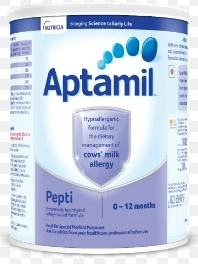
Aptamil Pepti Infant Formula 0 to 12 Months Tin 400gm
Brand: Nutricia International Private Limited
₹2000.00₹1960.00
View Details
Neocate LCP Infant Formula Powder 400GM
Brand: Nutricia International Private Limited
₹3300.00₹3234.00
View Details
Web Stories


Popular Lab Test






Live Doctor consultation
Live Doctor Chat

Fees ₹99
General Physician
Fees ₹99
General Physician
Fees ₹99
General Physician

Dr. Syed Mukhtar Mohiuddin
MBBS, MD , Fellowship in Diabetes Mellitus (UK)
- 7 Years
- English
Available at 00:00 to 07:00
Fees ₹99
General Physician
Fees ₹99
General Physician
Download Our App & Get Consultation from anywhere.